Stay in the know on all smart updates of your favorite topics.
People get more connected and technology becomes part of our daily life. Between 2014 and 2015 there was a 27% growth of internet traffic in Amsterdam. Eleven out of fifteen Trans-Atlantic data cables are connected with or go through Amsterdam and the AMS-IX is the second largest internet exchange point in the world. In 2016 Amsterdam was ranked second in the European Digital City Index. Do you work on a smarter city? Share your technologies here!
Manon den Dunnen,
Strategisch specialist digitaal
,
posted
Unmanned systems & sustainability @Formula 1
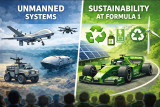
Unmanned systems; Developments & challenges
<strong>Pieter Elands,</strong> Program Manager Unmanned Systems at TNO, is an experienced manager of people and complex research programs. Pieter will share insights into the latest developments and key challenges in the field of unmanned systems. With a strong background in Aerospace and Defence, responsibility for coordinating research on unmanned systems and extensive knowledge of how unmanned systems are deployed in today’s military operations, the talk will explore technological, organizational, and strategic challenges.
Sustainability at the F1 Heineken Dutch Grand Prix
Dimitri Bonthuis is director Media & Sports Development at SportVibes and currently involved in major events like ABN AMRO Open and F1 Heineken Dutch Grand Prix. At the Dutch GP he is responsible for sustainability. This evening, Dimitri will talk about his experiences with sustainability at the Grand Prix, exploring how he approaches the topic, which innovations have been key, the challenges of driving sustainable initiatives, and how these efforts fit into a broader strategic vision.
21.00 Networking with coffee/tea
Manon den Dunnen,
Strategisch specialist digitaal
,
posted
Roboflow Visual Intelligence Workshop
Roboflow is a great tool to help you create computer vision models. This evening is a hands-on workshop: a short introduction, two short use-case talks, and then you’ll start building your own computer vision model with help from the speakers.
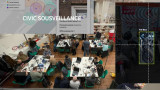
Civic Sousveillance
For Tom van Arman from TAPP, civic sousveillance was the motivating use case to start using Roboflow as a computer vision solution. It was used to build this public camera detection app.
A Pragmatic Guide to Roboflow
<strong>Thomas Jongstra,</strong> Data Scientist & AI/Software Engineer at Mind Matter, has written a step-by-step guide for Roboflow that walks you through the full workflow of building your own computer vision model. From collecting and labelling training images, to training the model in Roboflow, and to testing it on your own use case. Thomas will introduce the guide and show some results from the sousveillance project that he worked on with Tom.
DIY Fatbike Detection
Laura Ponoran will share her experience working with Thomas’ Roboflow Guide to develop her own DIY object detection project designed to detect fat bikes, an increasingly relevant issue given their rise in both popularity and safety concerns. With this example, she highlights how accessible object detection systems have become, even for independent users. Laura Ponoran is an AI, Data, and Smart City Research Intern at TAPP, a Smart City Architecture firm. She has previously collaborated with LosAparatos and NDSM on different sensing and awareness projects grappling with modern day problems.
Workshop: Build your Own Computer Vision Model
In the practical part of this meeting, Tom, Thomas and Laura will help you start your own computer vision project using Roboflow. You can check this video for inspiration to come up with your own use case for the workshop.
Please bring your laptop to the workshop, with any images/videos that you’d like to use for your computer vision project. If you can create an account on roboflow.com before the workshop, that would be great!
RSVP here: https://sensemakersams.org/events/
Stay up to date
Get notified about new updates, opportunities or events that match your interests.
Set up preferences

