Stay in the know on all smart updates of your favorite topics.
Tim van de Laar,
Project management, Scale Up, Innovation Partnerships, Sport
at City of Amsterdam: Ingenieursbureau Amsterdam,
posted
Amsterdam and Haarlem launch groundbreaking sustainable artificial turf pitch innovations

The pioneering innovations were presented of the Scale Up Future-proof artificial turf pitches project, a collaboration between Amsterdam and Haarlem focused on sustainable artificial turf pitches. Over the next few years, more than 250 sports pitches in both cities will be transformed into circular, energy-generating and climate-adaptive sports venues. These artificial turf pitches can not only generate and store energy, but also involve smart water management. An approach that is globally relevant for urban sports infrastructure.
Three consortia collaborate on the sport pitch of the future
The three selected consortia Antea Sport, EnergieVeld and GOO4iT together comprise more than 15 market players. They join forces within this innovation partnership, where there is room for long-term collaboration, co-creation and scalable innovation. The pioneering solutions will make it possible to cool down sport pitches on warm days, help dispose of and collect rainwater, make the pitches more pleasant for the users and possibly even generate energy for the surrounding area. Find out how these innovations are shaping the sport pitch of the future here.
Two municipalities: joint procurement
The Scale Up Future-proof artificial turf pitches project is a unique collaboration between two municipalities and market players. The municipalities jointly procure pooling their purchasing power and use an innovation partnership to challenge the market to test and scale up innovative and sustainable solutions. In doing so, the solutions are also scalable and transferable to other cities in the Netherlands and Europe.
From prototype to pilot fields
The first prototype fields will be constructed in Amsterdam and Haarlem in 2026, in different capacities and combining multiple innovations, where they will be extensively tested and monitored for a year. Successful concepts are then scaled up to full-scale pilot pitches and tested and monitored for another year. This will form the basis for the new standard of sustainable sports pitches, with potential for adoption in other cities around the world. At the same time, existing pitches are already being improved with the most sustainable solutions available, making an immediate impact from the start. The project thus shows how cooperation between municipalities and market players can lead to innovative, climate-proof sports infrastructure with international relevance.
Join us
This project provides cities worldwide a blueprint for sustainable, smart, and future-proof artificial turf pitches. Interested municipalities and industry partners can get in touch and subscribe to our news updates by sending an e-mail to: sportveldvandetoekomst@amsterdam.nl.
Noor Veenhoven,
Program manager energy & circularity
at Amsterdam InChange,
posted
Underground Challenges and Shared Solutions: Lessons from Amsterdam for District Heating in Haarlemmermeer
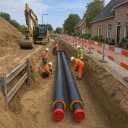
How do you install district heating in villages with narrow streets and limited underground space? This was the central question during a recent deepdive session hosted in the municipality of Haarlemmermeer. The session brought together experts from the City of Amsterdam, local officials and experts from Haarlemmermeer, and Arcadis to explore practical solutions to the physical challenges of implementing district heating in dense and complex infrastructure environments.
From complexity to coordination
Amsterdam has years of experience addressing similar challenges in dense urban areas where underground infrastructure is already under pressure. Experts from the City of Amsterdam were invited to share their approach, which combines long-term planning, integrated design processes, and flexibility in applying standards.
Some key principles they shared:
- Planning 15 years ahead: Amsterdam actively involves all utility providers to map out future plans and co-create underground infrastructure layouts.
- Using standard ways of working in the underground (WIOR) and a standardised scheme for subsurface infrastructure planning: These frameworks help assess available underground space and guide decisions when concessions are necessary.
- Embracing alternative methods: Stacking pipelines instead of placing them side-by-side, drilling under roads, or clustering transport cables in walls or consolidated zones are all viable options.
Sometimes, this requires deviating from standard spacing requirements. Such exceptions are only made with strong justification and agreement at the decision-making level.
A fresh look at Haarlemmermeer’s challenges
Participants from Haarlemmermeer acknowledged that they face several pressing issues. With limited space in the underground and a lack of an integrated planning framework, it is difficult to make informed, long-term decisions. Three villages in the municipality are particularly challenging due to their narrow streets and aging infrastructure.
Key challenges included:
- Underestimating the space needed for district heating infrastructure (including expansion loops, communication lines, and insulation).
- Rigid adherence to guidelines, which may not always be feasible locally.
- A missing coordinating role to oversee all the different parties operating in the underground to facilitate collaboration.
Shared lessons, shared responsibility
The session made clear that while every context is different, the challenges of underground infrastructure for district heating are shared across municipalities. The city of Amsterdam is a bit further ahead than Haarlemmermeer, and their expertise was already tremendously helpful. The Amsterdam case shows that smart, flexible planning—backed by clear coordination of all parties active in the underground —can lead to effective, long-term solutions.
Now the task for Haarlemmermeer is to translate these insights into concrete next steps. As one participant concluded, “We need to move from awareness to action.”
Would you like to learn more about this topic? Please contact Noor at noor@amsterdaminchange.com.
Ouassim Khatraoui,
Program Manager Energy & Circularity
,
posted
Demoday 27# District heating and resident participation in the municipality of Haarlemmermeer

The municipality of Haarlemmermeer is actively working on the realisation of the energy transition in the municipality by, among other things, focusing on sustainable heat supplies. As part of this, a heat initiative has been started in the village of Rijsenhout (east of Haarlemmermeer). This initiative has not been taken up by the market in the past. This has led the municipality to want to take a more active role in the development of District heating in which resident participation is a crucial factor.
During the Knowledge- and Demodag on 13th of March (2025), Kelly Winters and Sophie Keijzer (Hieroo) led a session with the participants that looked at similar successful processes in the past of realising a heat network. The central questions were: What was the success and why was it a success?
Session structure and focus
During the session, the participants split into two groups. Similar processes were then discussed in the two groups in which the success factors of the realisation of energy transition projects were examined. An important example that was discussed in the session was the Schoonschip project in Amsterdam North. This project is a sustainable initiative in which residents have researched how they can live on the water in a circular and sustainable way. This resulted in a community of 46 houseboats that share energy with each other via a Smart Grid that’s cheaper and more efficient.
Outcomes and insights
During the session, various strategies were discussed to strengthen resident participation and make heat network initiatives successful. The most important points from the discussions are:
1. Composition of the initiator group: A diverse and enthusiastic group is crucial. In the Schoonschip project, the core of the success was a group of pioneers who complemented each other in creativity and expertise. Such a group can also be formed in Rijsenhout if they are properly guided and supported.
2. The role of the municipality: The municipality must be aware of the distrust that residents often have towards government institutions. Using an external intermediary or an independent entity can help to reduce this mistrust.
3. Reward and inspire: One way to involve residents in a low-interest topic such as energy is to reward them. Examples are setting up competitions, the use of ambassadors or energy coaches and the organisation of events. Linking opportunities, for example by combining energy transition with social goals such as combating energy poverty, can also play an important role.
4. Using the right moment: An important lesson from the Schoonschip project is to use external circumstances to arouse interest. A crisis, such as rising energy costs or limited energy production, can turn a low interest topic into a high interest topic for people.
5. Governance and structure: A solid Governance structure is essential. The municipality can play a role as a project manager by setting clear deadlines and formulating requirements. This helps both initiators and residents to keep focus and take steps towards concrete results.
Follow up
Do you have a tip to help the municipality of Haarlemmermeer with their district heating plans? Or do you have a question about this project? Contact Ouassim at Ouassim@amsterdaminchange.com or Noor at Noor@amsterdaminchange.com. Later this week on 27th of march, we'll dive into the technical problems that district heating poses, when there just isn't enough space in the underground to build it. If you would like to know more about this, let us know.
Make this your personal feed
Noor Veenhoven,
Program manager energy & circularity
at Amsterdam InChange,
posted
Demoday #23: Co-creating with residents in the heat transition

The heat transition is in full swing. Municipalities want their residents off the gas and want them to switch to renewable sources of heat. Unfortunately, heat grids have often led to frustrated residents. Which in turn has led to delayed or cancelled plans for the municipality.
Dave van Loon and Marieke van Doorninck (Kennisland) have looked into the problems surrounding heat grids and came up with a plan. In this Demoday work-session we dived into the problems surrounding heat grids and their plan to solve them. The session was moderated by our own Leonie van Beuken.
Why residents get frustrated with heat grid plans
Involving residents in the planning of a heat grid is difficult. It takes a lot of time and effort and the municipality is often in a hurry. This is why they choose for a compromise in which they already make the plan, but try to involve citizens at the end part. However, this leads to residents not having anything to say in the plans. They can block the plans, but they can’t really make changes. This leads to a lot of dissatisfaction.
This top-down approach doesn't seem to be ideal for involving residents in the heat transition. That's why Kennisland is working on developing a plan for early collaboration with residents in the heat transition of neighbourhoods, with a focus on connecting with the community's concerns.
They have seen that this kind of approach can be successful by looking at the K-buurt in Amsterdam-Zuid-Oost. In the initial stages, the first plan for the K-buurt didn't gain much traction. However, when they shifted towards a more collaborative approach, people felt empowered to engage, leading to a more meaningful participation process. Instead of traditional town hall meetings, discussions took place in community spaces like the local barber shop. This shift towards genuine participation and co-creation has resulted in a much-improved end product, one that residents truly support and believe in.
The plan for co-creation in the heat transition
The plan that Kennisland came up with consists of a few key points that are necessary for success:
• Engage with residents early on in the process.
• Also consider other issues in the neighbourhood. There might be more pressing concerns for the residents themselves.
• Ensure accessibility for everyone to participate.
• Truly collaborate on developing a list of requirements.
• Harness creativity.
• Work in a less compartmentalized manner.
They aim to form a neighbourhood alliance and organize a community council. Together a plan can be made for the neighbourhood that all residents can get behind.
This plan might take a bit longer at the start, but that investment in time will pay itself back in the end.
SWOT analysis of co-creation plan
After Dave and Marieke explained their plan we did a SWOT analysis with the group. We looked at the Strengths, Weaknesses, Opportunities, and Threats of the plan.
The main strength that was pointed out was the ability to make a plan together with the residents. The residents experience the neighbourhood differently than a government official, which makes the final plan more beneficial to everyone.
The weaknesses the group saw in the plan were mainly that this could potentially slow down the process. Should we maybe do less participation instead of more and use force to get this heat transition going?
There were a lot of opportunities identified for this plan. The quality of the plan (and the neighbourhood) can greatly increase. By slowing down at the start we can actually accelerate and improve the neighbourhood on many levels. This plan also offers a great learning experience.
Finally, we went into the threats. One of the big threats that was pointed out was the lack of trust. If residents don’t trust the municipality and the process then it will never be possible to let this plan succeed. The explanation to residents also needs to be understandable. The explanation around a heat grid can get technical very quickly, and residents often don’t have the background to understand everything. The last threat that was pointed out was that if you get a lot of input from the residents for the plan, you also have to do something with that, and still be realistic. You have to work hard to manage expectations.
We completed the session by asking the participants if they knew any partners and places to collaborate with for this plan, or if they had any other ideas to make this plan successful.
We would now like to ask the same questions to you! Do you know someone who would like to partner up with Kennisland, do you know a place where this plan can be tested, or do you have any other ideas? Let us know by contacting me at noor@amsterdamsmartcity.com.
Sanne van Kempen,
Marketing & Communications Lead
at Spectral,
posted
Spectral Receives Investment from ABN AMRO Sustainable Impact Fund to Scale its Operations

Spectral, a pioneer in the integration of energy and information technologies and a highly impactful scale-up in the energy sphere, is excited to announce a major turning point in its expansion. Spectral has successfully secured an investment from ABN AMRO’s Sustainable Impact Fund (SIF). The fund invests in impact-driven companies seeking both social and financial returns. The investment will primarily be used to scale and professionalize operations.
Herman van den Bosch,
professor in management development
,
posted
How to live with global warming larger then 3 degrees C
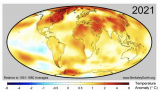
In my previous post (in Dutch) I summarized the main conclusions of the IPCC's Final Report: The probability that the world will have warmed by more than three degrees by 2100 is much greater than that we hold it at 1 1/2 degrees Celsius. In this post I will discuss the consequences of this for the world, whether there is still a way out and what the consequences are for Dutch policy.
Adriaan van Eck,
Implementing IoT & Smart Energy
,
posted
Large amount of protocols in the heat pump industry hinders easy implementation of energy management systems

Unfortunately, there is no single way for remotely controlling new heat pumps yet, nor is there a trend in that direction, according to the 'Flexmonitor Heat pumps' report. This hampers the possibilities of easily and quickly deploying heatpumps for a reliable electricity supply and creates unnecessary costs and complexity to use energy management systems.
Fortunately, the vast majority of heat pumps do support smart energy services. FAN and TKI Urban Energy therefore aim to use one standard for all energy management applications so that 80% of the market volume uses the same open energy management standard by the end of 2024.
We really need to work towards standardisation for the large-scale deployment of energy management for heat pumps, is the appeal of the FAN foundation.
Want to learn more? Read more about it and download the flexmonitor report here:
Jan Duffhues,
Lead Spatial Data & Design
at City of Amsterdam: Department of Planning and Sustainability,
posted
Amsterdam’s energy communities are driving a democratised energy future
In 2021, the city of Amsterdam has cooperated with citizen-led energy initiatives and The Democratic Society to bring about a decarbonised, decentralised energy future. Read the conclusions and six recommendations in the article by Kate Goodwin of the Democratic Society and Thomas de Groot of the Commons Network!
Adriaan van Eck,
Implementing IoT & Smart Energy
,
posted
Free KNX Smart Energy & IoT development workshop on June 28 – max 15 developers
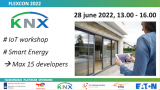
KNX and FLEXCON2022 are hosting a free KNX Smart Energy & IoT development workshop on June 28, for 15 developers max.
Are you a developer who wants to build Smart Energy applications? Bring your RPi’s and other Linux devices and come to Pakhuis de Zwijger in Amsterdam on June 28th !
In this 'mini-hackathon’, you will get to understand the KNX IoT development approach. You will utilize a free client-development solution to interact with the KNX installation to build Energy Management solutions for a cleaner, smarter world. Connect heatpumps, EV's, batteries and solar panels to the smart grid!
The workshop is free of charge. We have only 15 spots available, so apply now! For more information and subscription to the KNX IoT workshop on June 28, check the link:
RESILIO Amsterdam,
posted
Leer over blauw-groene daken tijdens een Pakhuis de Zwijger bijeenkomst (21 maart)

Drie jaar lang werkten 9 partners aan het RESILIO project. Amsterdam is nu ruim 10.000m2 aan innovatieve, groene, waterbergende daken rijker!
Op 21 maart tijdens een WeMakeTheCityGreen event van Pakhuis de Zwijger presenteert RESILIO de onderzoeksresultaten. Daarna volgt een workshop waarin alle stappen van ambitie tot aanleg van blauw-groen in kaart worden gebracht. Welke hobbels en kansen kwamen we tegen tijdens de aanleg en realisatie? Reserveer hier voor de presentatie en hier voor de workshop.
Adriaan van Eck,
Implementing IoT & Smart Energy
,
posted
📣 #Rethink #Energy for industry: Join us to co-develop an open source Shared Energy Platform.

📣 #Rethink #Energy: Internet of Energy, Digital Twins, Open Source !
Port of Amsterdam and SEP have joined FLEXCON2022. In anticipation of #FLEXCON2022, they will host a multiple-day Design Sprint: you are invited to join us to #Rethink #Energy for industrial scale!
Join us to co-develop the open source Shared Energy Platform. The kick-off is the webinar on 21 March, 15.30 - 17.00. Register now, and be part of the sustainable energy revolution.
We have set up a program with great speakers to discuss to the efficiency and resilience of energy production and grid systems:
- Arash Aazami (Unify.energy): Internet of Energy
- Wilbert Prinssen (Phase to Phase): Digital Twins
- Nicolas Höning (SEITA - Open software for energy flexibility): Open Source and Smart Energy
- Derek Hardwick (Ampact Consulting): Design Sprint fundamentals
Our hosts:
- Thomas Hermans – Port of Amsterdam
- Robin Schipper – Shared Energy Platform
Please note: the webinar will be in English.
Register here for the kick off on 21 March 15.30 - 17.00: Subscription form.
Melchior Kanyemesha,
Kwartiermaker CIIIC
,
posted
Hoe zorgen we er samen voor dat er in de toekomst voldoende drinkwater aanwezig blijft in onze regio?

Drinkwater is wereldwijd een schaars goed. In Nederland is onze drinkwatervoorziening gelukkig goed geregeld. En toch. Als gevolg van
onze veranderende wereld stapelen de transities op. Zekerheden die we lang voor lief namen worden omgegooid. Onze steden groeien, wat nieuwe kansen brengt, maar ook nieuwe uitdagingen. Dat betekent ook iets voor onze
drinkwatervoorziening. Ons gebruik neemt toe en het aanbod staat onder druk.
Binnen de Provincie Flevoland is men aan het onderzoeken wat er nu al voor nodig is om dit probleem een halt toe te roepen. Momenteel zien we de vraag naar drinkwater stijgen, de drukte in de ondergrond toenemen en door klimaatverandering (denk aan droogte en hete zomers) het watergebruik stijgen. Om voldoende drinkwater van een goede kwaliteit te garanderen moeten we werken aan een systeemverandering. Waterbesparing moet worden gestimuleerd en laagwaardig gebruik van hoogwaardige kwaliteit water moet worden voorkomen.
Het huidige drinkwatergebruik bestaat voor ca. 70% huishoudelijke- en 30% zakelijke gebruikers (regio afhankelijk). Hoe maken we bij deze doelgroepen waterbesparing de norm? En hoe zorgen we ervoor dat de kwaliteit van het water bepalend is voor het gebruik? Dit zijn vraagstukken die in de toekomst steeds relevanter worden, maar ook nú al onze aandacht vragen.
Halverwege maart zal er binnen de Provincie Flevoland een Adviseur Drinkwatertransitie aan de slag gaan die zich met deze vragen bezighoudt.
We vragen jou om hulp!
Samen met de Provincie Flevoland zoeken we daarom alvast de ideeën, ervaringen en het draagvlak van het netwerk op. We zijn op zoek naar actuele kennis over dit onderwerp en mogelijke oplossingen. Daarnaast zijn we ook specifiek geïnteresseerd in ideeën om nu al urgentie te creëren voor dit onderwerp, ondanks dat het mogelijk pas in de toekomst gaat spelen.
Ben jij een expert op het thema, of heb jij relevante ideeën en ervaringen uit andere onderwerpen? Laat je reactie achter in de comments!
RESILIO Amsterdam,
posted
RESILIO - Hydrological solutions & climate adaptation (part 4)
What will happen if we scale up our hydrological capacity to a stunning level of 13% Amsterdam wide? Researcher Tim Busker explains this in our new video
RESILIO Amsterdam,
posted
The smart technique between blue-green roofs.
Today we will launch our brand new five-part movie series of RESILIO!
This serie will dive into the different approaches & researches within the project and the partners with their specific expertises. In the first one Kasper Spaan from water company Waternet and Friso Klapwijk MetroPolder Company explain you how smart micro watermanagement can be of paramount importance to a complete city. It’s not just a drop in the ocean... check it out here:
Sanne van Kempen,
Marketing & Communications Lead
at Spectral,
posted
NSI verduurzaamt portfeuille verder met Spectrals Smart Building Platform
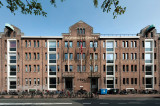
We helpen NSI met verduurzaming én beter comfort. Na een succesvolle pilot met ons Smart Building Platform (we bespaarden 19,2% aan warmte en het comfort verbeterde!) rollen we de software nu verder uit naar 26 gebouwen. Daar zal de slimme sturing ruim 20% op warmte en 3% op elektriciteit besparen. Lees op onze website hoe we dat doen.
Jeroen Sipman,
Liaison of the Province of Noord-Holland
at Province of Noord-Holland,
posted
Restwarmte Noord-Hollandse industrie kan hele provincie verwarmen
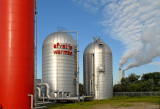
De Omgevingsdienst Noordzeekanaalgebied heeft in opdracht van de provincie Noord-Holland onderzoek gedaan naar de hoeveelheid beschikbare restwarmte in de Noord-Hollandse industrie. Het onderzoek geeft een eerste indicatie van hoeveel warmte er in Noord-Holland nu nog via industriële schoorstenen de lucht in gaat en hoeveel warmte er via het koelwater op het oppervlaktewater wordt geloosd. Met deze gegevens kunnen gemeenten en warmtebedrijven hun plannen voor nuttig hergebruik van restwarmte verder vormgeven.
Bijna alle relevante bedrijven in beeld
65 bedrijven in onder meer de energiesector, de chemische- en voedselindustrie, en afvalverwerkende bedrijven zijn meegenomen in het onderzoek. Deze bedrijven zijn verantwoordelijk voor meer dan 95 procent van de potentiële restwarmte. Hiermee zijn dus nagenoeg alle relevante industriële bedrijven in Noord-Holland in beeld. Of de warmte daadwerkelijk gebruikt kan worden voor verwarming van woningen is afhankelijk van onder meer de temperatuur en de afstand tot een warmtenet.
Gratis ophalen
Per 2022 komt er met de Wet Collectieve Warmtevoorziening een stimulans voor het gebruik van restwarmte in de gebouwde omgeving: producenten van restwarmte moeten deze dan gratis beschikbaar stellen aan energiebedrijven.
Jochem Kootstra,
Lecturer
at Amsterdam University of Applied Sciences,
posted
Hoe gaan we om met steeds hetere zomers?

5 publicaties over hittebestendig inrichten van steden, met behulp van burgers
Van hitterecords in de laatste zomers tot uitgedroogde parken. De effecten van de opwarming van het klimaat worden steeds beter zichtbaar. Vanaf 2020 zijn Nederlandse gemeenten aan zet om straten en wijken te toetsen en in te richten op hittebestendigheid (Deltaprogramma, 2018). En ook de burger wil er graag de vinger op leggen. Wat kunnen zij samen bereiken? Lees voor inspiratie 5 publicaties van de Hogeschool van Amsterdam (HvA) over hittebestendig inrichten van steden en woningen.
Een koele kijk op de inrichting van de buitenruimte
De hete zomers maken het leven in de stad steeds vaker onaangenaam en hebben gevolgen voor vele aspecten van ons leven. De HvA schreef samen met partners een adviesrapport om het dagelijks leven buitenshuis tijdens hete dagen te verbeteren. Van hittekaarten en interactieve mindmaps om de hitteopgave van de stad zichtbaar te maken, tot concrete ontwerprichtlijnen die gemeenten en professionals in wijken en straten kunnen inzetten. Lees over een koele kijk op de inrichting van de buitenruimte.
Hitteproef in woningen
Wat is de koelbehoefte van woningen en welke factoren zijn van invloed op oververhitting binnenshuis? Tijdens de hittegolf van 2020 zijn metingen verricht naar de ontwikkeling van de binnentemperatuur in 11 woningen verspreid over 5 locaties (Groningen en Amsterdam). Bewoners is gevraagd gedurende de metingen een handelingsdagboek bij te houden om inzicht te krijgen in het effect van bijvoorbeeld het sluiten van zonwering of openen van een raam; overdag en ‘s avonds. Hoe ervaart de bewoner hitte in huis? Lees over de resultaten van koelbehoeften in woningen.
Praktijkonderzoek hitterichtlijnen
De HvA ontwikkelde in de zomer van 2020 drie ontwerprichtlijnen voor een hittebestendige inrichting van de buitenruimte, met concrete grenswaarden. Zoals: 300 meter tot een koele plek, of 40 % schaduw op loopgebieden. In dit onderzoek zijn de richtlijnen in de praktijk onderzocht door metingen, interviews, foto’s en GIS-analyse te combineren. Voor elke van de richtlijnen worden de methode, resultaten en aanbevelingen beschreven, zodat de aanpak eenvoudig opschaalbaar is naar andere gemeenten. Lees wat dit voor jouw gemeente kan betekenen.
‘Meet je stad!’
Om te zien wat de temperaturen zijn in eigen stad, wijk en achtertuin, plaatsten deelnemers van het burgerwetenschapsproject ‘Meet je stad!’ zelf ontworpen meetkastjes met daarin temperatuursensoren. In Amersfoort leidde een samenwerking tussen burgers en professionals tot een completer beeld van het hitteprobleem in de stad en de aanpassingen die nodig zijn. Informatie uit de haarvaten van de stad wordt hiermee toegevoegd aan bestaande kennis. Lees over de temperatuurgegevens in de zomer van 2018, van in totaal 148 meetkastjes verspreid door Amersfoort.
Meetmethodes voor een Cool Town
In het Europese project Cool Towns werken regio’s, gemeenten, bedrijven en universiteiten samen aan het in kaart brengen van ruimtelijke, economische en leefbaarheidsconsequenties van hittestress. Net als het monitoren van klimaatadaptatiemaatregelen en de implementatiekansen in beleid. Op basis van meetervaringen van 2 jaar veldonderzoek in 4 Europese landen is recent het gestandaardiseerde Cool Towns Heat Stress Measurement Protocol ontwikkeld. Middels 3 methodes kunnen beleidsmakers, ontwerpers en adviseurs zelf het ervaren thermische comfort van hun buitenruimtes in kaart brengen voor een gedegen kosten-batenafweging van hittestressmaatregelen. Dit zijn de 3 meetmethodes.
Transitiethema Designing Future Cities
De publicaties vallen onder lectoraat Water in en om de stad van transitiethema Designing Future Cities. Designing Future Cities werkt aan ontwerpoplossingen voor onze steden opdat deze toekomstbestendig zijn. De focus ligt op klimaatbestendigheid, circulaire bouw en leefbaarheid van de stad. Een integrale aanpak staat centraal, om verbinding te maken tussen deze en andere opgaven. Het is één van de vier onderzoeksthema’s van Centre of Expertise Urban Technology.
Jochem Kootstra,
Lecturer
at Amsterdam University of Applied Sciences,
posted
Datacentra-restwarmte voor de buren

De eindresultaten van twee jaar onderzoek naar het gebruik van datacentra-restwarmte in een collectief warmte- en koudenet in mixed-use gebied Amstel III.
Een transformatie van bedrijventerrein naar woon-werkgebied met recreatieve functies, Amstel III in Amsterdam Zuidoost is een gebied volop in beweging. En met een extra opgave: de gebouwen moeten voor hun verwarming op den duur volledig van het gas af. De Hogeschool van Amsterdam (HvA) onderzocht binnen project RiRa: Amstel III de technische mogelijkheden voor gebruik van restwarmte van datacentra als duurzaam alternatief. ‘Maar andere factoren zoals samenwerking en economische levensvatbaarheid zijn net zo belangrijk om verduurzaming in transitiegebieden te laten slagen’, aldus projectmanager Felia Boerwinkel. Na ruim twee jaar onderzoek presenteert zij de eindresultaten.
Een terrein dat een metamorfose ondergaat zoals Amstel III lijkt een uitgelezen kans om op gebiedsniveau te verduurzamen en CO2-uitstoot te verlagen. Maar zulke transitiegebieden moeten niet verward worden met nieuwbouw, vertelt Boerwinkel. ‘Bij nieuwbouw begin je als het ware met een schone lei, in een transitiegebied heb je te maken met al bestaande vastgoedeigenaren, huurders, nutsbedrijven en exploitanten van energienetwerken die je moet betrekken bij ontwikkelingen en beslissingen. Verduurzamen is geen lineair technisch proces, maar een complexe knoop van belangen met constant schuivende panelen. Een gebied in transitie vraagt om een aanpak die voortdurend kan en zelfs moet veranderen.’
Dynamisch en duurzaam transformeren
De HvA ging in gesprek met de stakeholders in Amstel III om de behoeften en wensen per stakeholder in kaart te brengen en te kijken waar partijen elkaar kunnen vinden. Met als doel: een methode voor het realiseren van een collectief warmte- en koudenet. De HvA ontwikkelde samen met partners Equinix, Huygen, Greenvis, Villa Ville en Escoplan een gedragen aanpak om restwarmte van de datacentra van Equinix te benutten bij verwarming van gebouwen in Amstel III. Een methode die aardgas als energiebron verleden tijd maakt.
De techniek | Lage temperatuurwarmte van datacentra
Een datacenter kan lage temperatuurwarmte leveren aan een groot aantal gebouwen. Het temperatuurniveau is met rond de 30c een goede brontemperatuur voor een warmtepomp die de warmte heel efficiënt opwaardeert naar 40c. Hiermee kunnen goed geïsoleerde gebouwen van warmte worden voorzien. Voor warm tapwater naar woningen zal de temperatuur nog wat hoger worden gemaakt. In combinatie met warmte- en koudeopslag in de bodem kan daarnaast ook koeling worden geleverd. Dat is nodig en wordt steeds vaker gebruikt in woningen, vanwege de inmiddels veel voorkomende hittegolven door klimaatverandering.
Extra voordeel: het warmtenet koppelt gebouwen aan elkaar, waardoor je de behoeften van het ene gebouw en het andere kan balanceren. Dan is een gebouw niet alleen afnemer van warmte, maar met zijn restproduct ook leverancier van koude. Tevens kan je pieken afvlakken, omdat niet elke gebruiker op hetzelfde moment op de dag tapwater nodig heeft. ‘Dat noemen we een smart grid, en moet je technisch en contractueel heel goed zien te regelen, zegt Renée Heller, lector Energie en innovatie aan de HvA. ‘Denk aan energy management systems, het ICT-systeem dat de energiestromen meet en regelt, zodat alle gebouwen de juiste warmte en koude krijgen.’
De techniek laten slagen in Amstel III vraagt om enige flexibiliteit, vertelt Boerwinkel. ‘Eerst zouden gebouwen gerenoveerd worden, daarna werd toch gekozen voor grootschalige transformatie met sloop-nieuwbouw. Dat veranderde een deel van de focus in het onderzoek, dat zich in eerste aanzet grotendeels op maatregelen voor retrofit zou richten. En niet alleen het gebied blijft zich continu ontwikkelen, hetzelfde geldt voor de belangen van stakeholders en externe randvoorwaarden zoals wet- en regelgeving.’
Toch is een gedragen aanpak mogelijk wanneer je beslissingsprocessen gedurende de gebiedsontwikkeling kan vergemakkelijken voor alle belanghebbenden. Zo heeft het team tools ontworpen die helpen bij de keuze voor technische oplossingen, organisatorische ontwerpkeuzes en passende businessmodellen in het kader van lokale collectieve verduurzaming. Boerwinkel: ‘De tools zijn te gebruiken in vergelijkbare transitiegebieden die collectieve oplossingen met lokale bronnen willen realiseren. De RiRa-aanpak is uiteraard niet één op één vertaalbaar naar andere projecten, maar de tools maken complexe processen wel navigeerbaar.’
Eindpublicatie
De inzichten en aanbevelingen van het project zijn gedeeld in de eindpublicatie RiRa – benutten datacenter restwarmte: casus Amstel III. De projectoutput is gericht aan potentiële initiatiefnemers in een collectief warmtesysteem: gemeenten, vastgoedeigenaren, projectontwikkelaars, netbeheerders, warmteleveranciers, adviseurs en coöperaties. Belangrijk is om met de stakeholders in gesprek te blijven gaan wanneer een gebied in ontwikkeling is, sluit Boerwinkel af. ‘Als iedereen op eigen houtje gaat verduurzamen, gaan we onze klimaatdoelstellingen niet halen; zo benutten we niet alle duurzame bronnen. Collectief kan je veel meer bereiken.’
Eindpublicatie:
RiRa – benutten datacenter restwarmte: casus Amstel III
Tools:
Afwegingskader
Afstemming warmtenet en vastgoed
Organisatie ontwerp bij open warmtenetten
Transitiethema Energy Transition
Project RiRa Amstel III is onderdeel van transitiethema Energy Transition van Centre of Expertise Urban Technology. Van slim laden tot duurzame opwekking van energie, databeheer en het opleiden van de ‘21st century engineer’, onderzoek binnen dit thema betreft het ontwerpen van technische interventies, met oog op organsiatorische, maatschappelijke en economische ontwikkelingen en impact. Het is één van de vier onderzoeksthema’s van Centre of Expertise Urban Technology.
Sanne van Kempen,
Marketing & Communications Lead
at Spectral,
posted
Verbeterde energie-efficiëntie in kantoren door Merin & Spectral
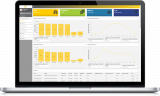
Sinds september 2018 werken vastgoedbelegger Merin en techbedrijf Spectral samen om de huurders van Merin een hoger comfortniveau te bieden tot een verbeterde energie-efficiëntie te komen. De pilotfase ging zo goed - huurders ervaren een beter klimaat en er werd 40% minder gas en 15% minder elektriciteit verbruikt - dat de twee partijen hun samenwerking nu opschalen naar 17 gebouwen.
Comfort is cruciaal
Het verminderen van de CO₂-uitstoot door kantoorgebouwen is een cruciaal onderdeel van de duurzaamheidsdoelstellingen van Merin. De grootste prioriteit is ervoor te zorgen dat het comfort van huurders tijdens dit proces wordt gehandhaafd. Door het plaatsen van extra sensoren die onder andere temperatuur en CO₂ meten, wordt het comfort in het hele gebouw gemonitord. Op basis van die data stuurt de software de klimaatinstallaties actief aan.
Hoe wordt er zoveel bespaard en waardoor wordt het comfort verhoogd?
Door het overnemen van de aansturing van de installaties met de active control-module. Slimme algoritmes optimaliseren het klimaat en voorkomen energieverspilling omdat gas- en elektriciteitsverbruik efficiënter worden. In het Smart Building Platform (SBP) van Spectral komen de beschikbare data(bronnen) van de gebouwen samen. Het platform biedt inzicht in de (duurzaamheids)prestaties voor gebouweigenaren. De software verrijkt die verbruiksdata met weersvoorspellingen, de bezettingsgraad en andere input. Met al deze data stuurt het platform de installaties in de gebouwen op een slimme manier aan en bespaart het elektriciteit en gas zonder kostbare ingrepen. Lees meer..
Herman van den Bosch,
professor in management development
,
posted
11 building blocks for the transition to sustainable energy

In five consecutive blog posts, I have explored the opportunities and risks in the energy transition of carbon capturing and storage (CCS), biomass, geothermal energy, hydrogen, and nuclear energy, in addition to solar and wind. Find my conclusions below:
1. Sun and wind energy
I will feel most comfortable in a world deploying energy provided by sun and wind to reduce greenhouse gas emissions. This implies a huge transition, which, also brings significant benefits for an emerging sustainable economy.
2. Nuclear energy plants
Instead of opting for an expensive third-generation nuclear power plants, we better invest in the development of fourth generation nuclear energy plants, such as Thorium, or molten salt reactors. Their waste is limited, and they are inherently safe. These reactors could potentially replace outdated wind turbines and solar panels from 2040.
3. Using less
We must also continue using less energy, without undue expectations. After all, clean energy can potentially be abundantly available in the long term, although this is particularly relevant for developing countries.
4. Hydrogen energy
In addition to the use of solar and wind energy, I am opting for hydrogen. It will be used for heavy industry, to level discrepancies in the supply and demand of energy and as an additional provision for heating buildings and houses. The presence of a high-quality gas network is easing this choice. In addition, we use residual heat, biomass of reliable origin and we exploit geothermal energy where its long-term availability is assured.
5. Energy from the desert
By no means we are producing all necessary hydrogen gas ourselves. The expectation is realistic that after 2030 it will be produced in deserts and transported from there at a competitive price.
6. Wind turbines and solar panels
The North Sea and the IJsselmeer will become the most important places for the extraction of wind energy. Besides, solar panels are installed on roofs wherever possible. We care for our landscape and therefore critically consider places where ground-based solar panels can be installed and where wind turbines are not disturbing. Part of the wind energy is converted into hydrogen on site.
7. Capture and store CO2
It could easily last until 2040 before the import and production of hydrogen meets our needs. Therefore, we must continue to use (imported) gas for quite some time. To prevent greenhouse gas emission, significant capacity to capture and store CO2 must be in place.
8. Gas and coal
Given the availability of temporary underground storage of CO2, premature shutting down our super-efficient gas and coal-fired power stations it is unnecessary capital destruction. They can remain in operation until the facilities for solar and wind energy generation are at the desired level and sufficient hydrogen gas is available.
9. Local energy
Energy co-operations facilitate the local use of locally produced energy, thus enabling lower prices, and limiting the expansion of the electricity grid. To this end, private and neighborhood storage of electricity is provided.
10. Biomass
Reliably collected biomass is deployed as raw material for the biochemical industry in the first place and can further be used for additional fueling of coal and gas-powered stations (with CO2 capture) and as local energy source for medium temperature district heating networks.
11. Take some time
Finally, we must take enough time to choose the best way to heat buildings and houses at neighborhood level. Getting off gas prematurely can induce wrong choices in the longer term. A gradual phasing out of gas heating will enable us to wait longer for the moment when hydrogen (gas) is available to replace the natural gas in neighborhoods where it is the best solution.
Stay up to date
Get notified about new updates, opportunities or events that match your interests.
Set up preferences

